
Peacock Poise
The peacock has been a source of inspiration in architecture and design for centuries, symbolizing beauty, pride, elegance, and immortality in various cultures.
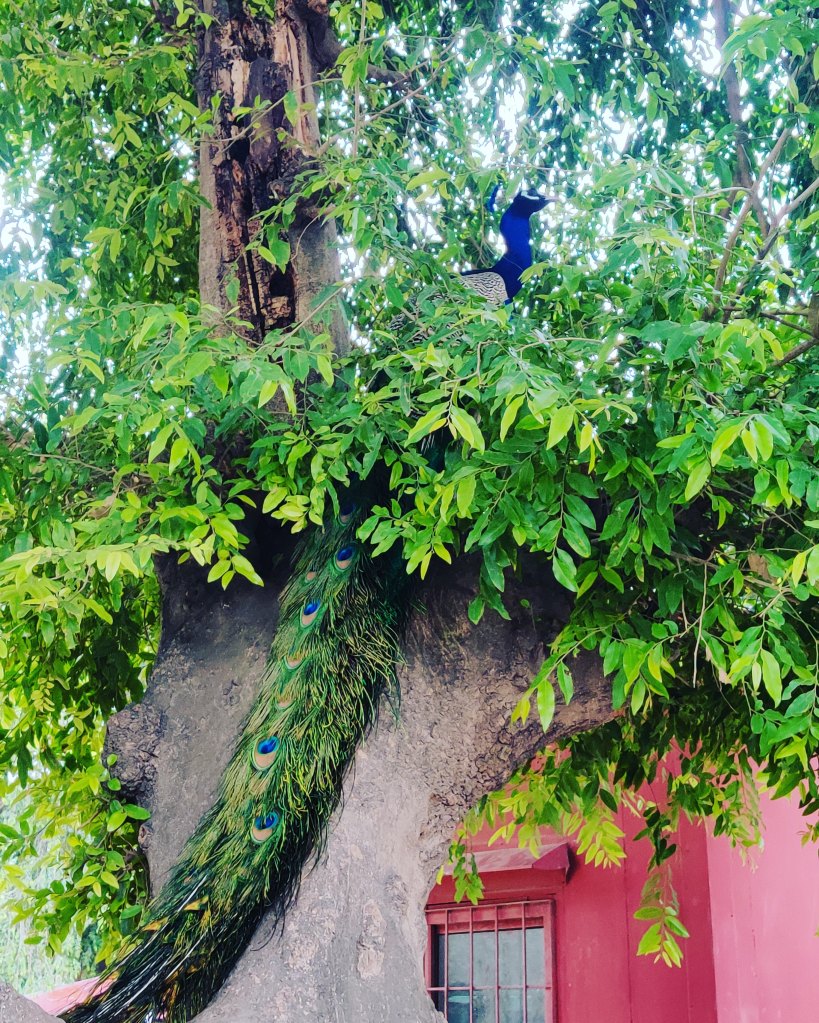
Photographs- Author
Here are some key aspects and examples of how peacock motifs and symbolism are incorporated into architecture and design
Architectural Elements
Facades and Entrances– Peacocks depicted in carvings, mosaics, and reliefs on building facades and entrances, adds an element of grandeur and elegance.
Example:– The Peacock Gate at the City Palace in Jaipur, India has intricate peacock patterns with rich colours.
Columns and Capitals– Columns or capitals with peacock feather motifs can add an ornate and elegant touch.
Example:- The peacock feather-inspired capitals in the Palace of Mysore, India.
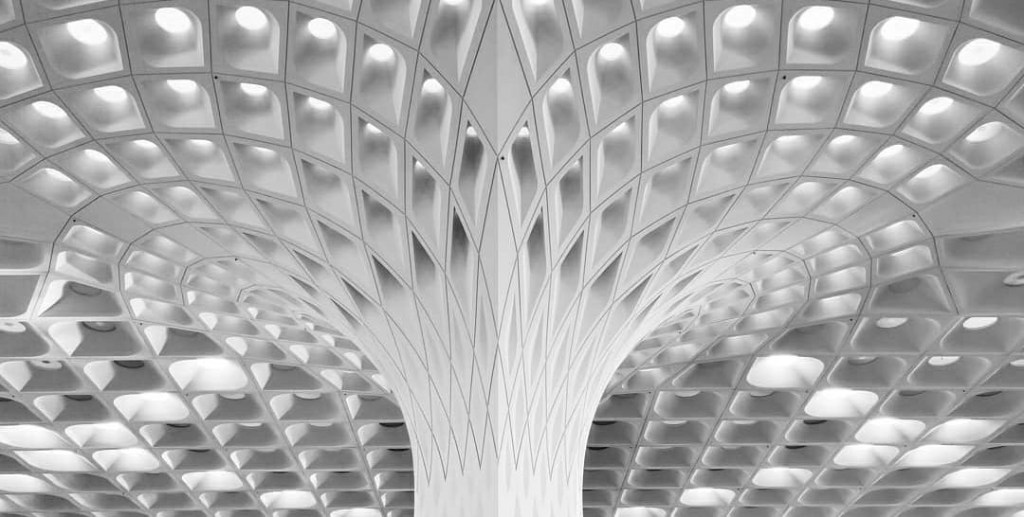
Shape & Structure– Incorporating the shape and symbolism of the peacock into architecture can lead to aesthetically appealing as well as culturally rich design.
Example:- The design of the motif for the moulded coffered panels derived from teardrop-shaped eye of the peacock at the Mumbai Airport.
Interior Design
Spaces– Incorporating peacock colors in interior spaces can bring a vibrant, luxurious, and exotic feel.
Example:- The New Parliament building in Delhi is inspired by colours from a peacock’s plume.
Tile Work– Peacock-themed tiles can be used for flooring, walls, or backsplashes, adding a decorative element to interiors.
Example:- The Moorish-inspired tiles in the Alhambra, Spain, often feature peacock-like patterns.
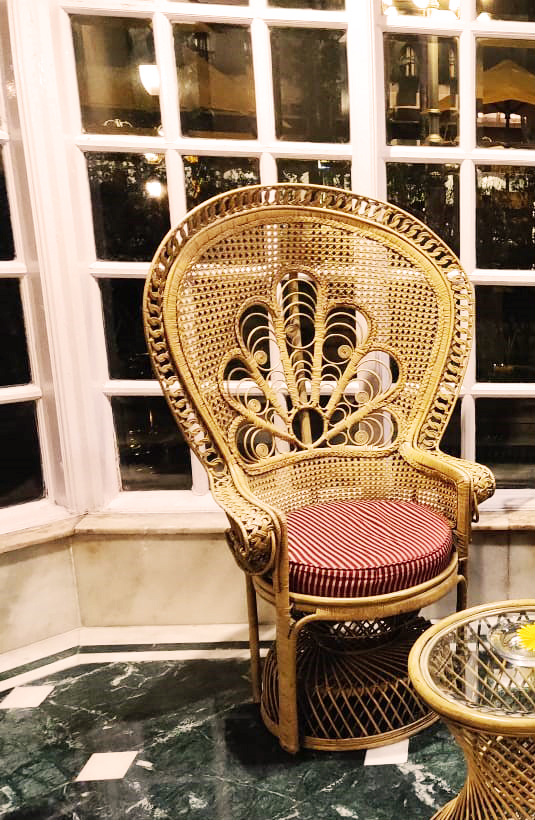
Furniture– Furniture pieces inspired by peacock forms, such as the iconic peacock chair with its fan-shaped backrest, can serve as striking focal points.
Example:- The traditional peacock chair, popular in the Philippines, and later adopted into bohemian design styles worldwide.
“In summary, the peacock’s influence in architecture and design is evident through its recurring motifs, rich color palette, and symbolic significance. These elements are integrated into various aspects of architectural and interior design to create spaces that are both visually striking and culturally resonant.“


Leave a Reply