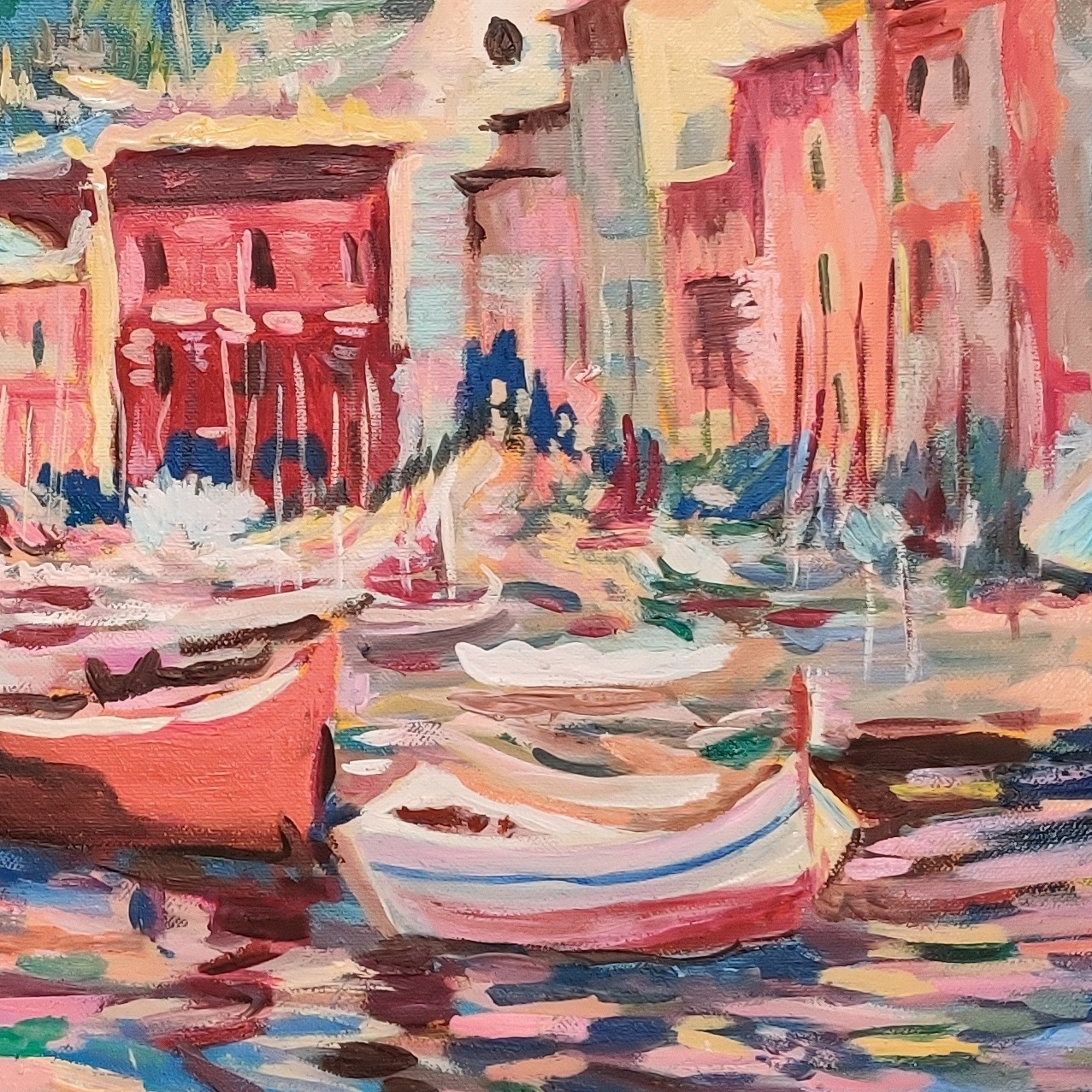
Wave-Inspired Architecture: Enhancing Aesthetic Appeal and Harmony with Nature
Water Waves
Photographs & Description- Author
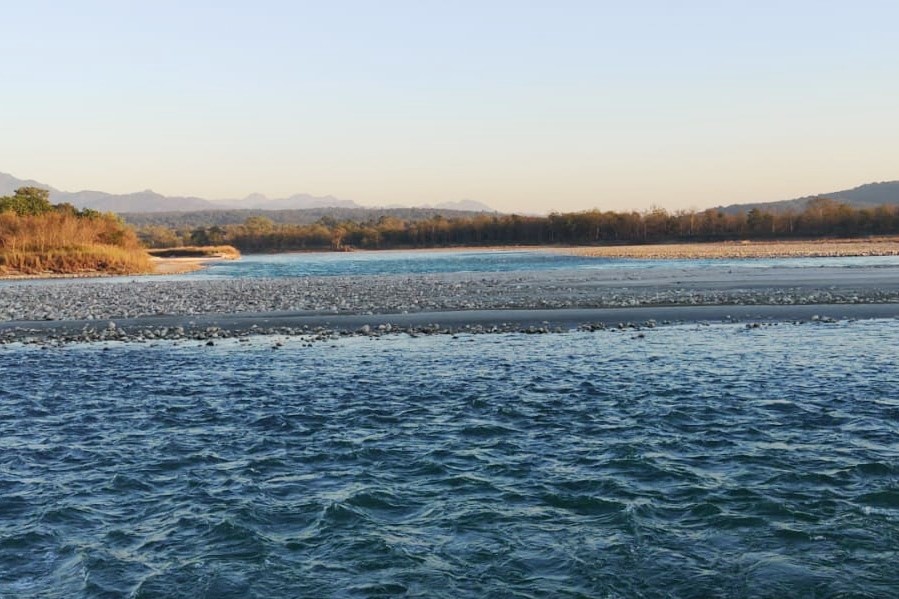
Water waves in architecture evoke a sense of fluidity, movement, and tranquillity. Incorporating wave-inspired designs can be both aesthetically pleasing and functionally innovative. The fluid, dynamic qualities of water waves in architectural designs can create structures that feel harmonious with nature. Here are some ways in which water waves have been integrated into architecture.
Architectural Elements
Curved Structures
Buildings with curved, undulating forms that mimic the flow of water waves create a sense of fluidity and grace.
Facade Design
Wave-like facades introduce rhythm and motion to the exterior surface, making the building visually engaging from different angles.
Roof Structure
Roofs shaped like rising or falling waves create an iconic silhouette while blending seamlessly with natural surroundings, especially in coastal or waterfront locations.
Few Wave-Inspired Building Forms:
- W Abu Dhabi – Yas Island
Features a striking gridshell façade that resembles the rippling surface of water, creating a luminous, flowing effect—especially at night. - Aqua Tower
Designed by Jeanne Gang, its irregular, flowing balconies create an undulating wave pattern across the façade. - Shimao Wave Showroom
A building explicitly inspired by the form and movement of a wave, with fluid curves defining its structure. - Heydar Aliyev Center
Designed by Zaha Hadid, the building’s sweeping, continuous surfaces echo the soft rise and fall of waves. - Sydney Opera House
Its iconic sail-like shells draw inspiration from ocean waves and natural marine forms.
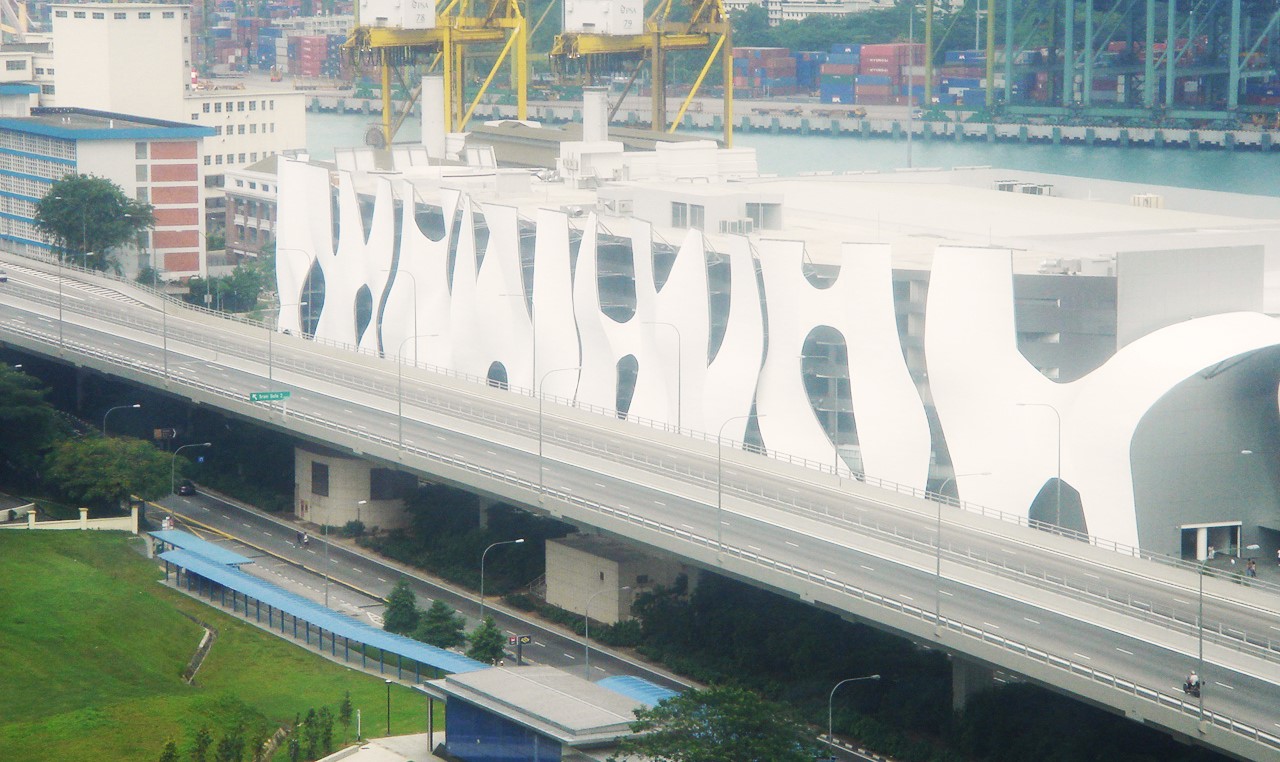
VivoCity in Singapore, designed by Toyo Ito, is a masterful example of architecture inspired by the fluidity and beauty of water. The wave-like facade, flowing interior spaces, reflective surfaces, water features, and harmonious integration with the waterfront create a dynamic and inviting environment.
“Incorporating water waves symbolism into architecture can result in visually stunning and harmonious designs that connect built environments with natural elements. Whether through the overall form of the building, facade treatments, interior details, or landscape integration, wave-inspired architecture creates a sense of organic beauty. This approach not only enhances the aesthetic appeal of structures but also promotes a deeper connection with nature.“

